Cement, Payments and Beyond
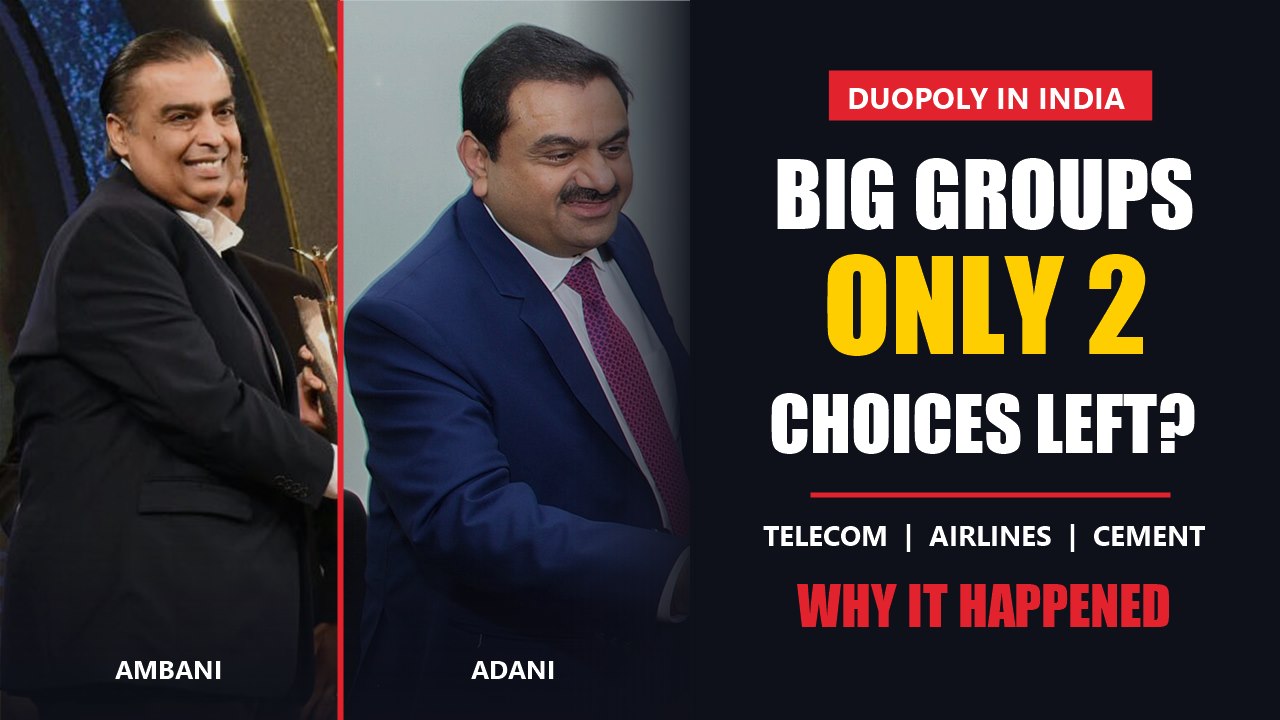
In cement, UltraTech and the Adani group, which bought Ambuja and ACC in 2022, now earn about half of the industry's revenue, up from under 39% a decade ago. In digital payments, PhonePe and Google Pay still handle about four in five UPI transactions, even though NPCI set a 30% cap per app and has pushed its deadline to 31 December 2026.
No single villain exists. Several forces pushed together.
Price Wars Only Deep Pockets Survive
Telecom and aviation need huge money for spectrum, towers and planes. When one player cuts prices sharply, rivals with weaker balance sheets bleed cash and exit, as telecom saw after 2016.
Debt, Court Rulings and Insolvency
Debt and legal shocks triggered many exits. The Supreme Court cancelled 122 telecom licences in 2012, and its 2019 ruling on AGR (adjusted gross revenue, the base for licence fees) created huge back dues for older operators. The insolvency law then sent failed airlines into liquidation.
Mergers That Regulators Approved
The Competition Commission of India (CCI) cleared most big mergers. A parliamentary committee has said the problem has shifted "from monopolies to duopolies", and critics point out that the Competition Act does not directly cover two firms dominating together.
This is the political part, so let's see both sides.
The Case Against: "National Champions"
Critics, including Acharya and opposition leaders, argue that policy has favoured a few large groups as "national champions" through big contracts, easy merger approvals and a weak CCI. Rahul Gandhi has repeatedly called this crony capitalism and says he is "anti-monopoly, not anti-business". Former finance minister P Chidambaram has called the CCI toothless.
The Case For: Markets Did Most of the Work
Supporters of the government say markets and courts drove consolidation, and that it began before 2014. They point out that the Centre took a 49% stake in Vodafone Idea and cut its AGR dues in 2026 precisely to keep a third telecom player alive. It has also given no-objection certificates to new airlines such as Shankh Air, Al Hind Air and FlyExpress, and the CCI ordered an abuse-of-dominance probe into IndiGo in February 2026 after the December 2025 meltdown.
My take: the government didn't create these duopolies alone, but it hasn't done enough to stop them either. Saving Vodafone Idea helps, yet the CCI's slow, case-by-case approach means problems get fixed only after customers suffer.
Less competition hits everyday life in three ways.
Higher prices: in July 2024, Jio, Airtel and Vodafone Idea raised mobile tariffs by roughly 10% to 27% within days of each other.
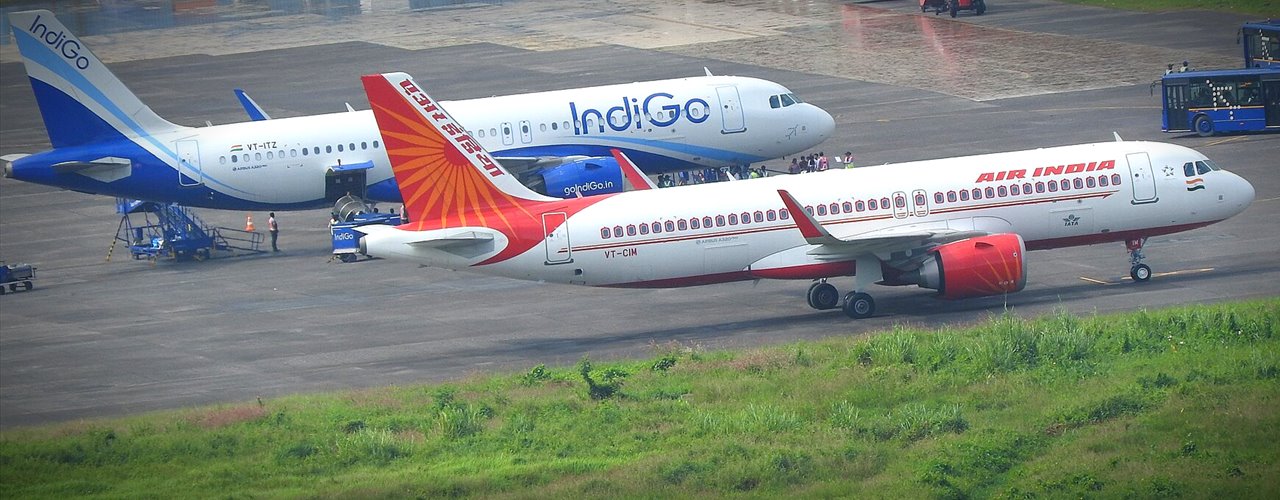
Fewer escape routes: when IndiGo cancelled thousands of flights in early December 2025, about 1.6 million passengers were hit, and fares on rival flights shot up.
Slower fixes: companies feel less pressure to improve service when customers have nowhere to go.
Your best defence against a duopoly in India is to keep switching: port your number if service is poor, compare fares across all airlines, and try a third brand when one exists.
Why are there only a few telecom companies in India?
Jio's 2016 price war, heavy debt and AGR dues pushed weaker operators to merge, sell or shut down.
How many airlines are there in India now?
Several still fly, including Akasa Air and SpiceJet, but IndiGo and the Air India Group carry over 90% of domestic passengers.
Is a duopoly illegal in India?
No. Being big is not illegal; the CCI acts only when a dominant company abuses its position, such as through unfair pricing.
Duopoly in India grew from price wars, debt and loose merger checks more than from one single decision, and the fix will need a sharper CCI and real room for new players. If this pattern has bothered you too, share this article with a friend who keeps asking why their recharge keeps getting costlier, and read more explainers in our Business section.