How to Use AI for Studying Without Losing Your Ability to Think
AI can be the best tutor you ever had or a shortcut that quietly weakens your skills. Here's how to study with ChatGPT, Gemini and Claude the smart way.
Education•Published•
Ask any student how they finished last night's homework and there is a good chance an AI chatbot was involved. That is not a problem in itself. The problem starts when the tool does the thinking and the student only does the copying. Knowing how to use AI for studying the right way can turn ChatGPT, Gemini or Claude into a patient personal tutor, while the wrong way can leave you confident during practice and lost in the exam hall. This guide explains the difference and shows you a simple way to stay on the right side of it.
Why AI Can Help or Hurt Your Learning
Cognitive offloading is the habit of handing mental work to an outside tool instead of doing it in your own head. Writing a shopping list is harmless offloading. Letting a chatbot solve every maths problem is not, because the struggle of solving is exactly where learning happens.
A 2025 study published in PNAS tested this with nearly 1,000 high school maths students in Turkey. Students who practised with a normal GPT-4 chatbot scored 48% higher during practice, but when the AI was taken away for the exam, they scored 17% lower than students who never used it. They had used the chatbot as a crutch, and their own skills had not grown.
The Same Tool, Two Different Results
The same study tested a second version of the chatbot that was designed to give hints instead of answers. Those students did 127% better in practice and showed no drop in the exam. A Harvard physics experiment published in Scientific Reports in 2025 points the same way. Its AI tutor revealed only one step at a time and never handed over the full solution, and students learned more than twice as much as in an active-learning class. The lesson is clear: AI itself is neither good nor bad for learning, and the way you use it decides the result.
How to Use AI for Studying the Right Way
The goal is to make AI work like a good tutor rather than an answer machine. These five habits make that happen without needing any special software.
Try First, Ask Second
Always attempt the problem, essay outline or summary on your own before opening a chatbot. Even a wrong attempt gives your brain something to correct, and the AI's feedback then sticks far better than an answer you never wrestled with. A useful rule is to give yourself at least ten honest minutes before asking for help.
Ask for Hints, Not Answers
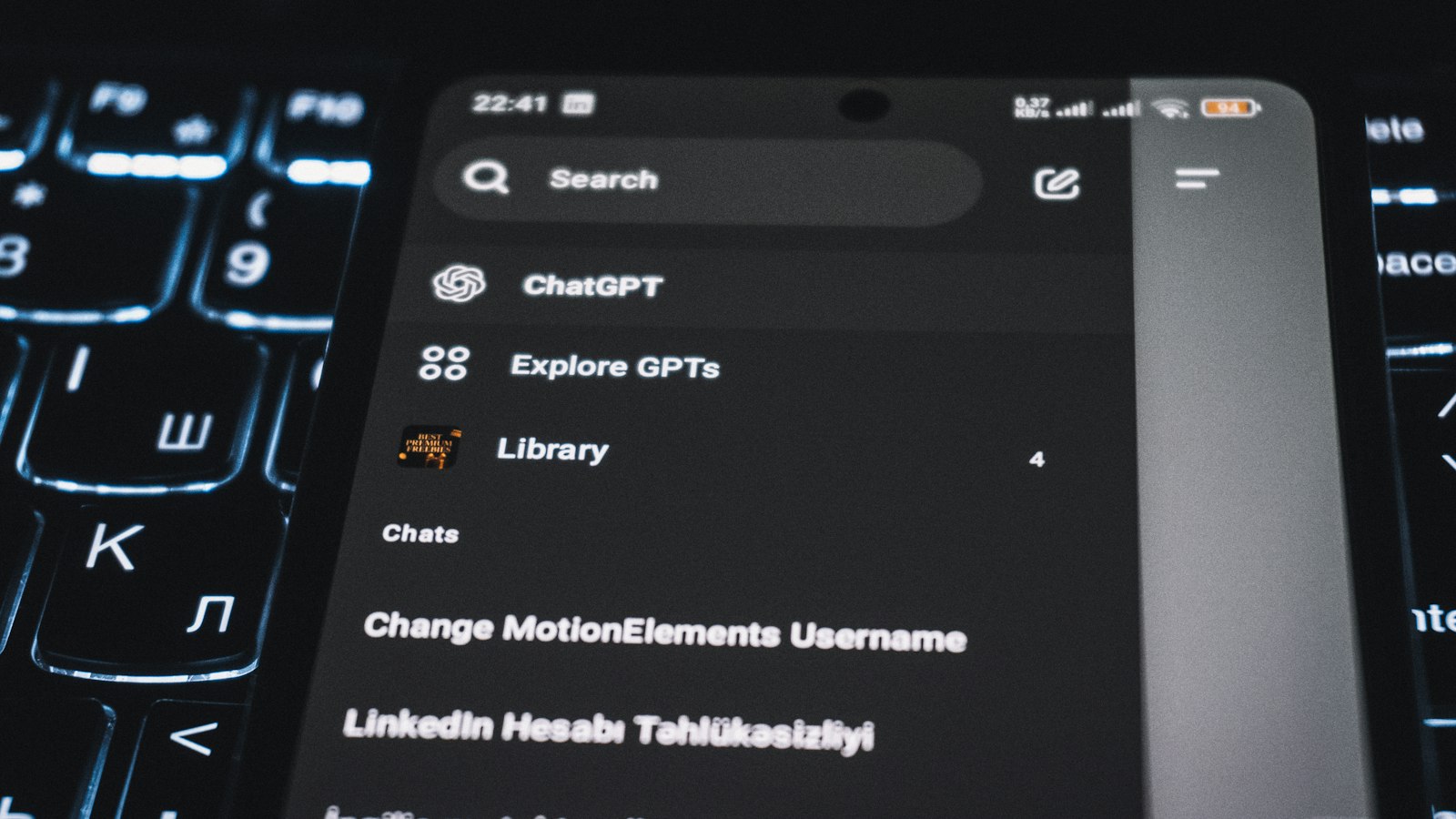
Tell the AI exactly what kind of help you want. A prompt such as "Don't give me the answer. Ask me questions that lead me to it, one step at a time" changes the whole conversation. Most major chatbots now have a built-in learning mode for this purpose: OpenAI launched Study Mode in ChatGPT in July 2025, Google added Guided Learning to Gemini in August 2025, and Claude offers its own learning mode. Each one asks guiding questions instead of dumping a finished solution.
Let AI Quiz You
Active recall is a study method where you pull information out of your memory instead of simply re-reading it. It is one of the most reliable ways to remember material, and AI makes it effortless. Paste in your notes or a chapter summary and ask the chatbot to quiz you with ten questions, then to explain only the ones you got wrong.
Explain It Back
The Feynman technique means explaining a topic in simple words, as if teaching a younger student. After studying a concept, write your own explanation and ask the AI to point out gaps or mistakes in it. This flips the usual pattern, because you produce the thinking and the AI acts as the examiner.
Check Every Fact
AI chatbots can state wrong facts with complete confidence, a problem known as hallucination. Treat every date, formula and definition as a draft until you have matched it with your textbook, class notes or another trusted source. This habit protects your marks and also trains the critical thinking that heavy AI use tends to weaken.
Habits That Quietly Weaken Your Thinking
The riskiest habit is copying a finished answer, because it feels like progress while teaching you almost nothing. Close behind is reading AI summaries instead of the actual chapter, which removes the effort that builds real understanding. Researchers at the MIT Media Lab reported in a 2025 preprint that people who wrote essays with ChatGPT showed lower brain engagement and remembered less of their own work than people who wrote without help. The study was small and has not yet been peer-reviewed, but its warning matches what teachers see in classrooms every day.
Academic honesty matters as well. Schools and colleges set different rules for AI, and submitting AI-written work as your own can count as cheating even when it is not caught. Check your institution's policy and, when in doubt, ask your teacher what is allowed.
A Simple Daily Study Routine With AI
A balanced routine does not need hours. Start each study session by working through the material on your own for twenty to thirty minutes. Then switch on the chatbot's learning mode and ask it to quiz you on what you just covered. Spend the next few minutes explaining the hardest idea back in your own words and letting the AI check it. Finish by writing down two or three points you got wrong, and review those first the next day. This loop keeps you in charge of the thinking while AI handles the parts it does best: patient questioning, instant feedback and endless practice questions.
Frequently Asked Questions
Is it okay to use ChatGPT for homework?
Yes, as long as you use it to understand the work rather than to produce it, and as long as your school allows it. Use it for hints, explanations and practice questions, and write the final answer yourself.
Which AI tool is best for studying?
Any major chatbot works if you use a learning mode. ChatGPT Study Mode, Gemini Guided Learning and Claude's learning mode all guide you with questions, so choose the one you already have access to.
Final Thoughts
AI is the most patient tutor most students will ever have, but only if they let it teach instead of letting it answer. Try first, ask for hints, let the chatbot quiz you and always check its facts. Do that consistently and AI will sharpen your thinking instead of replacing it. How do you use AI in your own studies? Share your approach in the comments, and explore our Education section for more practical study guides.